 ultimate-guide
Current State of Human Rights in Ethiopia: 2026
Table of Contents
- Understanding Human Rights in Ethiopia Today
- Armed Conflict and Civilian Impact Across Regions
- Transitional Justice Mechanisms in Ethiopia
- Freedom of Expression and Media in Ethiopia
- Internally Displaced Persons and Humanitarian Crisis
- International Oversight and Accountability Efforts
- What Comes Next: Pathways Forward
- Frequently Asked Questions
Last Updated: September 18, 2026
Understanding Human Rights in Ethiopia Today
The human rights situation in Ethiopia remains deeply troubled in 2026, marked by ongoing armed conflict, systematic violations, and a stalled transitional justice process. According to Human Rights Watch World Report 2026, civilians across much of the country faced severe humanitarian crises throughout the year, driven by continued armed hostilities between federal forces and various armed groups. The current state of human rights in Ethiopia reflects years of unresolved conflict and institutional failures that have left millions vulnerable.
This guide examines the current state of human rights in Ethiopia through recent data, documented violations, and the international response.
The stakes are high. Impunity for serious crimes remains the norm, according to Amnesty International's 2026 assessment, as transitional justice mechanisms have stalled with no meaningful steps toward accountability. This absence of justice creates a cycle where perpetrators face no consequences and victims receive no recognition.
Armed Conflict and Civilian Impact Across Regions
Armed conflict between federal forces and multiple armed groups continues to devastate civilian populations across the country. The BTI 2026 Ethiopia Country Report identifies ongoing anti-government insurgencies in the Amhara and Oromia regions as primary drivers of conflict that have significantly hampered both political stability and economic progress. These are not isolated incidents, they represent sustained military campaigns with documented patterns of civilian targeting.
The nature of these conflicts creates particular vulnerabilities. Armed groups operate across rural areas where state authority is weakest, giving them space to conduct operations with minimal oversight. Federal forces responding to these insurgencies have themselves been documented committing war crimes and crimes against humanity. According to the Global Centre for the Responsibility to Protect assessment, populations remain at risk of mass atrocities due to clashes between armed groups and state forces that show no signs of de-escalation.
Documented violations include arbitrary killings, enforced disappearances, and torture. The U.S. Department of State 2023 Human Rights Report (2024) recorded significant human rights issues across multiple regions, with particular concern for extrajudicial killings by security forces and armed group violence against civilians. Families are caught between competing forces with no protection mechanisms in place.
Transitional Justice Mechanisms in Ethiopia
The November 2022 ceasefire agreement between the federal government and TPLF called for transitional justice processes, including a truth commission. However, nearly four years later, no functional truth commission has been established, no special prosecutor's office has been created, and no reparations program has been implemented.
The International Commission of Human Rights Experts on Ethiopia, established by the UN Human Rights Council in December 2021, has documented extensive evidence of violations of international humanitarian law and potential crimes against humanity committed by all parties to the conflict. Their reports detail systematic patterns of sexual violence, extrajudicial killings, and forced displacement. Yet these findings have not been transferred to any domestic prosecution mechanism. Instead, they remain archived in UN databases while perpetrators continue operating in government and military positions.
Accountability has stalled due to several barriers: the federal government shows no political will to prosecute military officials still in power; the TPLF has not cooperated with investigations, citing bias concerns; and Western governments have prioritized humanitarian access over justice, reducing external leverage.
This impunity has directly enabled continued violations in Amhara and Oromia regions, where armed groups and security forces operate with the understanding that international crimes will not be prosecuted.
Functional accountability mechanisms require political leadership willing to pursue justice, independent judicial institutions, witness protection, and sustained international pressure, none of which currently exist.
Freedom of Expression and Media in Ethiopia
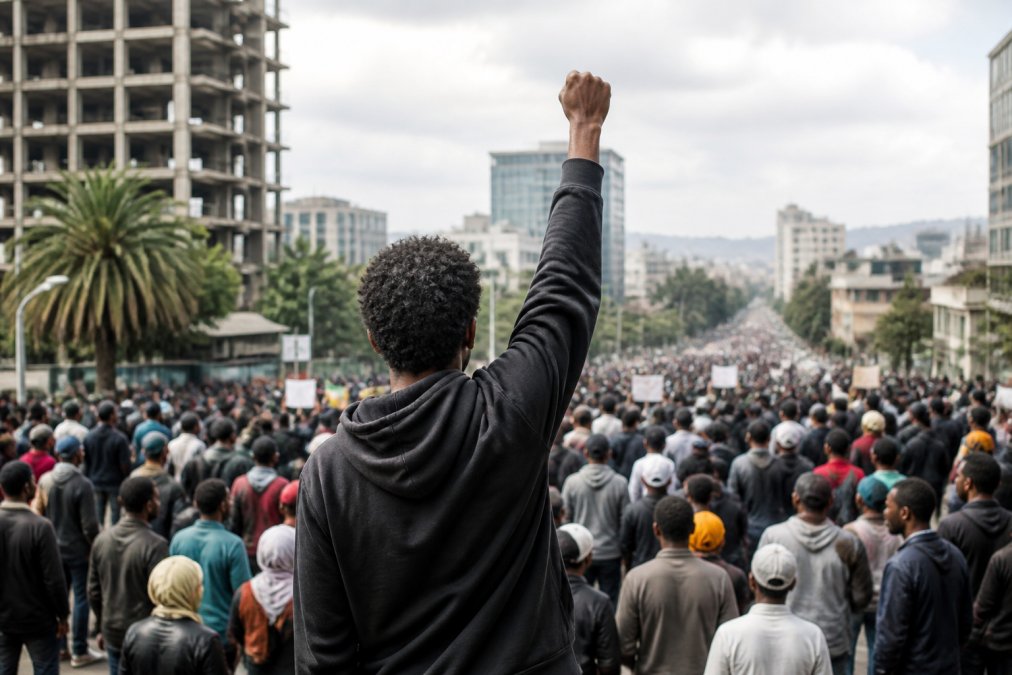
Civic space continues to shrink, directly affecting freedom of expression and media's ability to report on human rights violations. Journalists face legal restrictions and extrajudicial pressure designed to silence reporting. This climate of intimidation forces professionals to navigate complex institutional boundaries while exercising free speech in ways that minimize the risk of professional retaliation.
The Anti-Terrorism Proclamation has been weaponized to prosecute journalists for reporting on armed conflict. The Charities and Societies Proclamation restricts civil society organizations and prevents human rights groups from receiving international funding. The Penal Code contains provisions on sedition that create legal jeopardy for critical reporting.
Journalists face extrajudicial pressure including arbitrary detention without charges, harassment by security forces, and disappearances. The U.S. Department of State 2023 Human Rights Report (2024) documented these tactics designed to intimidate rather than formally punish.
Self-censorship has become the rational response. Journalists avoid coverage of federal military conduct, armed group activities, and ethnic tensions due to personal risk, preventing Ethiopians from accessing accurate accounts of human rights violations.
Civil society organizations face restrictions on funding, registration, and operations. International human rights groups have been expelled or prevented from entering the country. The UN Office of the High Commissioner for Human Rights has had restricted access to conflict zones, limiting independent investigations.
Information control enables impunity: violations cannot be documented by domestic sources, perpetrators face less fear of exposure, and no domestic constituency advocates for justice.
Some independent media outlets continue operating through careful self-censorship. Diaspora media outlets provide alternative information sources but have limited reach within the country, where state media dominates.
Internally Displaced Persons and Humanitarian Crisis
Internal displacement has reached catastrophic levels, with millions lacking access to shelter, food, clean water, and healthcare. Camps operate without adequate resources, creating secondary humanitarian crises.
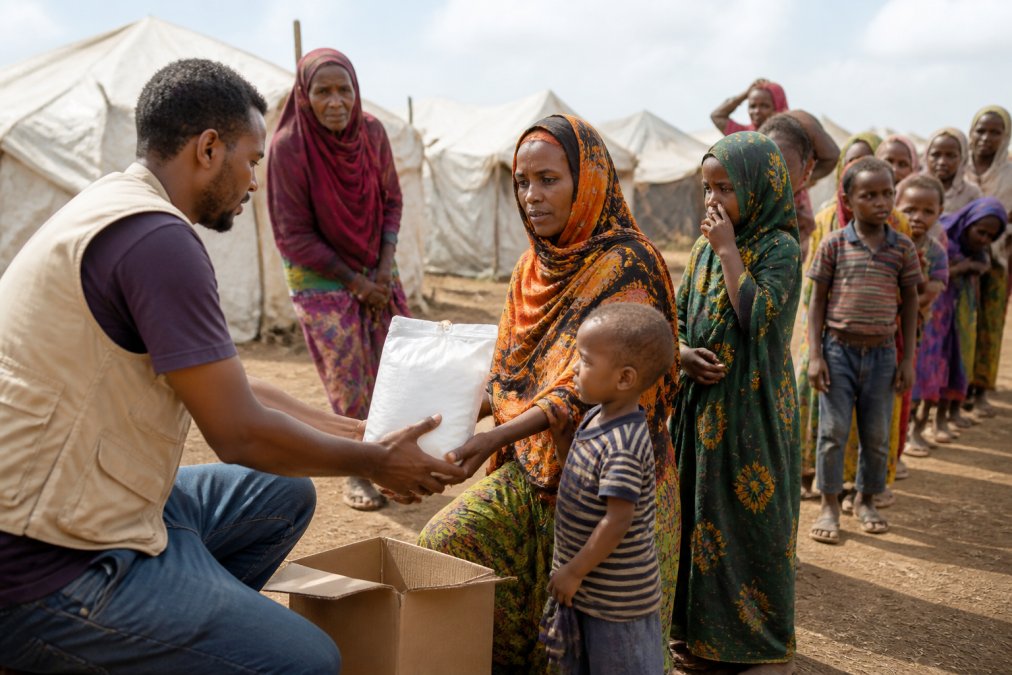
Women and girls in camps face heightened risk of sexual assault.
International Oversight and Accountability Efforts
International bodies have documented violations and called for accountability, but enforcement mechanisms remain weak and have not translated into concrete consequences for perpetrators.
What Comes Next: Pathways Forward
Meaningful improvement requires armed conflict to end through negotiated settlement or military resolution that establishes stable state authority.
| Mechanism | Status | Impact |
|---|---|---|
| Transitional Justice Process | Stalled | No accountability for documented crimes |
| Civil Society Operations | Restricted | Limited documentation and advocacy capacity |
| Media Freedom | Declining | Self-censorship prevents reporting on violations |
| Armed Conflict Resolution | Ongoing | Continuous civilian displacement and casualties |
| International Oversight | Active but Limited | Monitoring without enforcement mechanisms |
Frequently Asked Questions
What are the primary human rights concerns in Ethiopia today?
The current state of human rights in Ethiopia reflects severe violations including arbitrary killings, enforced disappearances, and torture. Armed conflicts between federal forces and militant groups in Amhara and Oromia regions drive civilian casualties and displacement. The U.S. Department of State 2023 Human Rights Report documents these abuses. Additionally, civic space continues to shrink as political instability hampers both economic and social progress, limiting citizens' ability to organize and advocate for their rights.
What is the status of transitional justice mechanisms in Ethiopia?
Transitional justice processes have stalled with no significant progress toward accountability for international law violations committed during the Tigray conflict. According to Amnesty International 2026 reports, no meaningful steps have been taken to achieve justice or hold perpetrators responsible. This failure to address past crimes perpetuates impunity and denies victims access to justice, leaving the legal accountability framework essentially inactive and unresponsive to demands for truth and reconciliation.
How does the conflict impact internally displaced persons in Ethiopia?
Ongoing armed hostilities between federal forces and various armed groups have created severe humanitarian crises affecting millions of civilians. Populations remain at risk of war crimes and crimes against humanity due to these clashes. Internal displacement separates families, disrupts livelihoods, and denies access to basic services. The Global Centre for the Responsibility to Protect documents mass atrocity risks, while humanitarian organizations report that displaced persons face heightened vulnerability to further abuses and inadequate access to shelter, food, and medical care.
What role do international organizations play in monitoring human rights in Ethiopia?
International bodies including the United Nations Office of the High Commissioner for Human Rights (OHCHR), Human Rights Watch, and Amnesty International conduct investigations and publish reports documenting violations. The International Commission of Human Rights Experts on Ethiopia has called for further international investigation and oversight of past and current abuses. However, their monitoring capacity remains limited by restricted access and ongoing security challenges, and enforcement of recommendations depends on political will from both national authorities and the international community.
How does the current political climate affect freedom of expression and media in Ethiopia?
Freedom of expression and media in Ethiopia face significant constraints as civic space shrinks amid political instability. Journalists and media outlets operate under pressure, with reports of restricted press freedom and limited ability to report freely on sensitive political topics. The shrinking civic space documented by Human Rights Watch and other organizations directly impacts media independence. This environment creates challenges for independent outlets seeking to provide balanced coverage and for citizens attempting to access diverse information sources about the political situation and human rights developments.
Are there any positive developments in human rights protection in Ethiopia?
The African Commission on Human and Peoples' Rights noted that the government has made 'significant efforts' to promote and protect human rights, contrasting with widespread reports of violations. However, these efforts remain insufficient given the scale of documented abuses. While some governmental initiatives exist, they have not translated into measurable improvements in accountability, protection of vulnerable populations, or expansion of civic space. Meaningful progress requires sustained commitment to implementing international human rights obligations and addressing the impunity that currently characterizes the system.