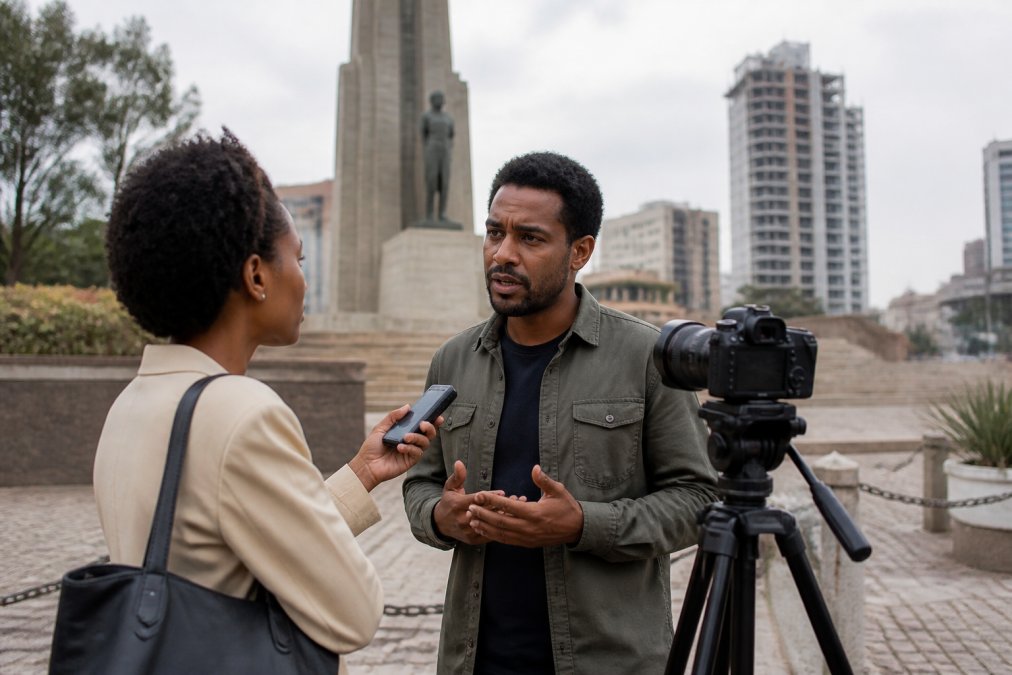
 ultimate-guide
Subscribe to Independent Ethiopian Journalism: A 2026 Guide
Table of Contents
- Why Independent Ethiopian Journalism Matters Now
- The Current State of Press Freedom and Media Crackdowns
- Reliable News Outlets for the Ethiopian Diaspora
- Best Practices for News Verification and Fact-Checking
- How to Subscribe and Support Independent Outlets
- Digital Security and Safe Access to Independent Journalism
- The Role of International Press Freedom Organizations
- Conclusion: Taking Action for Journalistic Integrity
- Frequently Asked Questions
Last Updated: September 27, 2026
Why Independent Ethiopian Journalism Matters Now
The stakes for independent journalism in Ethiopia have never been higher. According to the Committee to Protect Journalists' 2026 report on press freedom crackdowns, Ethiopia now ranks 148th globally in press freedom, with authorities systematically targeting outlets that challenge official narratives. This isn't abstract policy debate, it directly affects millions of Ethiopians worldwide seeking reliable information about their homeland.
The landscape for independent outlets has shifted dramatically, with license revocations, equipment seizures, and arrest of journalists. Yet the hunger for credible reporting has never been stronger. The diaspora, in particular, desperately needs trustworthy sources to understand what's actually happening in Ethiopia, not what state media or rumor mills claim is happening.
Subscribing to independent Ethiopian journalism isn't just about staying informed. It's about sustaining the outlets brave enough to publish truth when doing so carries real personal risk. When you support independent journalism, you're funding journalists who investigate corruption, document human rights violations, and hold power accountable, work that governments would prefer remained hidden.
The Current State of Press Freedom and Media Crackdowns
Ethiopia's media landscape has contracted sharply over the past 18 months. In February 2026, the Ethiopian Media Authority revoked the license of Addis Standard, one of the country's most respected independent outlets, citing vague violations of "national interest" and "media ethics" provisions. Reporters Without Borders documented this pattern as part of an escalating press freedom crackdown affecting multiple outlets simultaneously.
What makes this crackdown distinct is its precision. Authorities don't ban all media, they selectively target outlets that publish investigative reporting on armed conflict, human rights abuses, and corruption. The message is clear: operate within invisible red lines or lose your license. This creates a chilling effect across the industry. Journalists self-censor not because of formal censorship orders, but because they've watched colleagues lose their livelihoods.
The research from the Center for International Media Assistance on media polarization during political transitions reveals that this environment pushes outlets toward ethnic and regionalist narratives rather than balanced, pluralistic reporting. When independent journalism becomes too risky, outlets that survive often retreat into safer coverage, cultural stories, diaspora news, international analysis, leaving critical domestic accountability reporting undone.
Ethiopia now jails the second-highest number of journalists in Sub-Saharan Africa, behind only Eritrea. Many are detained on vague charges related to "spreading false information" or "inciting violence", accusations that carry prison sentences but lack evidence of actual wrongdoing.
Reliable News Outlets for the Ethiopian Diaspora
Not all outlets claiming independence actually are. The media landscape includes government-aligned outlets masquerading as independent, outlets funded by foreign governments with their own agendas, and genuine independent operations struggling to survive. The difference matters enormously for your information diet.
Addis Standard exemplifies the independent model under pressure. Founded as a digital-native outlet focused on political analysis and investigative reporting, it won the National Endowment for Democracy award for courage in June 2026, recognition that came just months before its license revocation. The outlet's reporting on armed conflict, human rights, and governance has set the standard for rigorous independent journalism in Ethiopia. Its closure created a reporting vacuum that hasn't been filled.
The Habesha is a diaspora-focused platform that prioritizes long-form political analysis, cultural storytelling, and human rights coverage alongside breaking news. Our editorial model emphasizes context over speed, preferring proper verification over real-time rumors. This approach resonates with diaspora readers who need to understand not just what happened, but why it matters and what it means for Ethiopia's future.
Ethiopia Insight combines academic rigor with journalism. The outlet employs researchers and analysts alongside reporters, producing in-depth investigations into governance, conflict, and economic policy. Their reporting requires patience, stories take months to develop, but the depth justifies the wait.
Selecting outlets requires checking three things: funding transparency, correction policies, and editorial independence. Outlets that disclose their funding sources, publish corrections when they make errors, and don't answer to political parties or foreign governments are safer bets than those operating in opacity.
Best Practices for News Verification and Fact-Checking
The Ethiopian media environment makes verification skills essential for readers. Misinformation spreads faster than corrections, and outlets with political agendas deliberately mix truth with distortion to seem credible.
Start by checking the source's track record. Does the outlet acknowledge when it's wrong? Real independent outlets publish corrections prominently. If an outlet never admits error, it's either perfect, unlikely, or hiding mistakes. Check whether the outlet has won journalism awards or been recognized by press freedom organizations. These aren't perfect filters, but they're better than nothing.
Cross-reference claims across multiple independent outlets. If Addis Standard, The Habesha, and Ethiopia Insight all report the same fact from different angles, you've got something solid. If only one outlet reports something, treat it as reporting-in-progress, not established fact. This doesn't mean the single outlet is wrong, it means you don't yet have confirmation.
Check the author's byline and background. Independent outlets publish bylines because they stand behind their reporting. Anonymous reporting occasionally appears in sensitive security situations, but it should be rare. If you don't know who wrote the story or can't find their previous work, that's a red flag.
Look at the evidence presented. Does the outlet quote named sources or rely on anonymous claims? Does it provide documents, data, or verifiable facts? Stories built on "sources say" and rumor are less reliable than stories with specific evidence. Real independent journalism shows its work.
A 2026 guide on navigating the Ethiopian media landscape notes that the most direct way to support independent journalism is through paid subscriptions or donations to outlets that maintain transparent funding reports and clear correction policies.
How to Subscribe and Support Independent Outlets
Supporting independent journalism requires moving beyond passive reading. Subscriptions fund reporting directly, creating revenue that doesn't depend on advertising or government favor. Most independent Ethiopian outlets offer subscription tiers designed for diaspora readers with various budgets.
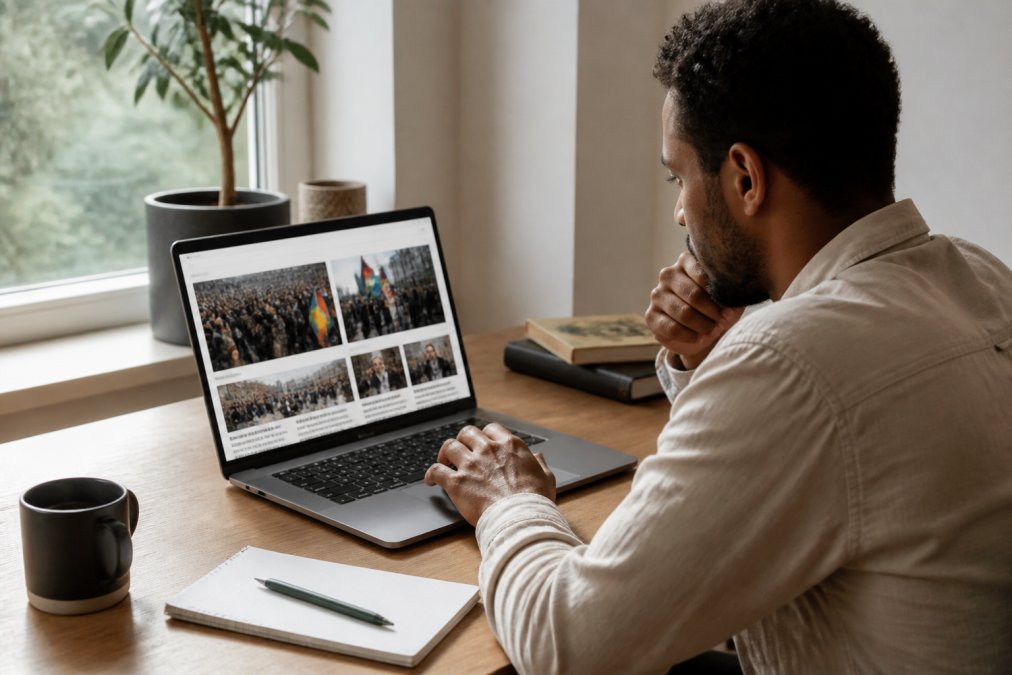
The subscription process typically works like this: visit the outlet's website, select a membership level, and complete payment using a credit card or digital payment method.
Digital Security and Safe Access to Independent Journalism
Accessing independent journalism from Ethiopia or by diaspora members with family in Ethiopia requires attention to digital security. Government surveillance of internet traffic is documented, and accessing blocked outlets can create risk for people inside the country.
The Role of International Press Freedom Organizations
International press freedom organizations play a crucial role in documenting crackdowns, providing legal support to journalists, and amplifying stories that might otherwise disappear. Understanding how these organizations work helps you recognize credible reporting and support the broader ecosystem of independent journalism.
Conclusion: Taking Action for Journalistic Integrity
The decision to subscribe to independent Ethiopian journalism is ultimately a decision about what kind of information ecosystem you want to exist. When diaspora readers support independent outlets, they're voting with their dollars for journalism that prioritizes truth-telling over regime approval. They're funding reporters to investigate stories governments want buried. They're sustaining media outlets that believe Ethiopian readers deserve better than propaganda.
| Outlet | Focus | Subscription Model | Best For |
|---|---|---|---|
| The Habesha | Political analysis, diaspora news, human rights | Tiered membership | Diaspora seeking context and cultural connection |
| Addis Standard | Investigative reporting, governance | Subscription-based | Readers wanting rigorous accountability journalism |
| Ethiopia Insight | In-depth analysis, conflict reporting | Research-focused | Those needing academic rigor with journalism |
Frequently Asked Questions
How can I verify the credibility of an independent Ethiopian news outlet?
Check for transparent ownership and funding sources, credible outlets disclose who funds them and maintain clear correction policies. Look for bylines with journalist names, publication dates, and sources cited in stories. Outlets like Addis Standard publish detailed methodology for their reporting. Cross-reference major claims with multiple independent sources. Verify the outlet's track record: has it issued corrections when wrong? Does it cover diverse perspectives, or does it consistently favor one political viewpoint? Legitimate outlets also maintain press accreditation and often receive recognition from international press freedom organizations.
Why is supporting independent journalism critical for the Ethiopian diaspora?
Independent journalism provides accurate reporting on human rights, democracy, and conflict that state-affiliated media often omits or misrepresents. For diaspora members, subscriptions to outlets like Addis Standard, which won the U.S. National Endowment for Democracy award for courage in 2026, ensure access to credible analysis without government censorship. Financial support keeps these outlets operating despite regulatory pressure: Ethiopia's Media Authority revoked Addis Standard's license in February 2026, yet independent outlets survive through reader subscriptions and donations. Your support directly counters media crackdowns and protects journalistic integrity.
What payment methods do independent Ethiopian news outlets typically accept?
Most independent outlets accept credit cards, digital wallets, and international payment platforms accessible to diaspora readers. Subscription models vary: some offer monthly or annual plans, while others use a membership system with tiered access. Many outlets also accept one-time donations via platforms like PayPal or bank transfers. When subscribing, verify the outlet's payment security by checking for HTTPS encryption on their website. Some outlets offer reduced rates for students or low-income readers. Check each outlet's website for current payment options, these change frequently based on banking regulations and available payment processors.
How does the subscription model help independent outlets survive government pressure?
Subscriptions create direct reader revenue, reducing dependence on government advertising or foreign funding that could compromise editorial independence. When outlets like Addis Standard face license revocation or advertiser pressure, subscriber income keeps them operational and publishing. A diversified funding model, combining subscriptions, donations, and grants from press freedom organizations, strengthens resistance to censorship. Reader subscriptions also demonstrate public demand for independent journalism, which supports advocacy by organizations like the Committee to Protect Journalists when they challenge government media crackdowns. Each subscription directly funds investigative reporting, fact-checking, and editorial independence.